
Black atheist literature is emerging as a notable topic among African Americans, who have historically been viewed as very religious. However, attitudes are shifting, with more Black Atheists expressing their views, and some Black Christians recognizing the potential harms of religion. Numerous influential Black authors and activists have published works over the last century, contributing to this growing conversation. With the increasing acceptance of diversity within the secular movement, literature by Black authors is gaining traction and support. Kweli encourages readers of all backgrounds to explore and read books by Black atheist authors, emphasizing that this list of available titles is frequently updated.
Moral Combat: Black Atheists, Gender Politics, and the Values Wars

The perception of atheism among many African Americans is one of shock and betrayal, as it is often seen as amoral and heretical, due in part to the historical role of the Black Church in advocating for racial justice. Currently, many black religious leaders support socially conservative positions on various issues, contributing to ongoing sexism and homophobia within black communities. However, a rising group of progressive African American non-believers is challenging traditional religious and social norms.
Emancipation of a Black Atheist
D. K. Evans’s quest to understand religion began with the question, “Why Do I Believe in God???” This exploration, influenced by thinkers in the Black tradition who challenge religious norms, led him to ultimately reject the notion of God. He encourages others, especially within the Black community, to question their faith, emphasizing that recognizing personal truths is essential for true emancipation from imposed beliefs.
The Ebony Exodus Project: Why Some Black Women Are Walking out on Religion and Others Should Too
Black women are the most religious group in the U.S. but struggle economically. The Ebony Exodus Project examines the church’s effects on them, revealing the pain of their religious experiences. It highlights the freedom they find after leaving the church and encourages others to rethink their faith and seek answers within themselves.
A Qualitative Study of Black Atheists: “Don’t Tell Me You’re One of Those!” (Religion and Race)
A Qualitative Study of Black Atheists: “Don’t Tell Me You’re One of Those” explores the experiences of Black Atheists, a group often overlooked in research. Through detailed interviews, Daniel Swann examines how Black Atheists see themselves, deal with stigma, feel a sense of belonging, and understand the racial aspects of their Atheism. The author asserts that these factors shape a unique identity at the crossroads of race and religion.
Godless Americana: Race and Religious Rebels
In Godless Americana, Sikivu Hutchinson critiques the nostalgic imagery of Americana and warns that the rise of Christian evangelicalism poses a threat to women’s rights, social justice, and civil rights. The collection highlights how more people of color are turning towards atheism and freethought, offering an analysis of faith amidst ongoing racial, sexual, and religious conflicts.
Humanists in the Hood: Unapologetically Black, Feminist, and Heretical: Humanism in Practice
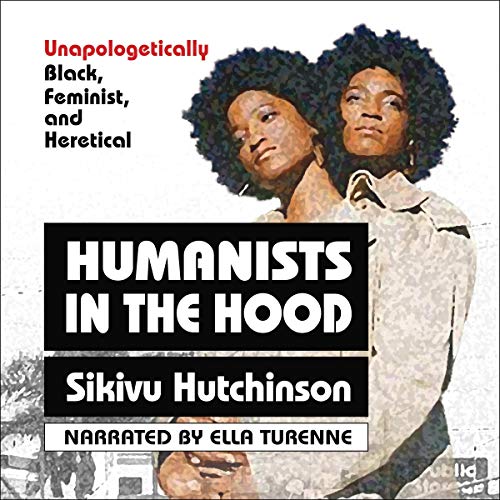
Feminism and atheism provoke heated debates in America, often seen as taboo topics, especially when combined with a Black critique. Progressive religious individuals of color are challenging the dominant focus on church-state separation by advocating for anti-racist humanism, informed by the experiences of marginalized communities facing economic challenges. Hutchinson emphasizes the urgent need for social justice, highlighting the rising political power of Black women in a divided society.
Christianity Before Christ
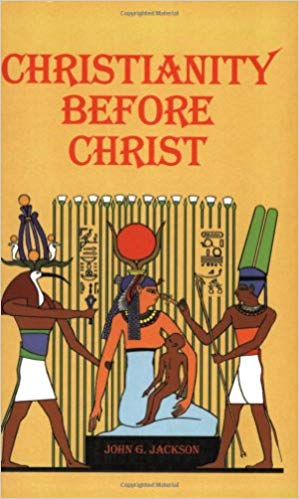
[Christianity Before Christ claims that Christianity lacks originality, as many of its beliefs originated in earlier cultures. This audiobook is essential for atheists to understand the potential threats Christianity poses to secular rights and the advancement of civilization.]
Holy Lockdown: Does the Church Limit Black Progress?
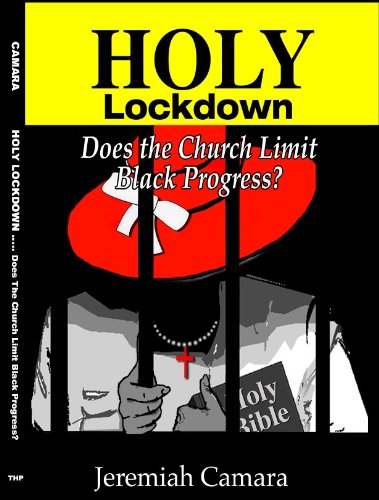
Many churches exist, yet significant issues persist in Black communities. Despite being highly devoted to Jesus, Blacks often face fragmentation and economic reliance. Is there a link between high praise and low productivity? “Holy Lockdown” examines this contradiction in the Black community, highlighting the presence of around 85,000 predominantly Black churches. The book provides a critical review of how church influence and sermons affect the Black collective, considering whether churches may contribute to ongoing social problems faced by Blacks.
 Kingdom of Kush